CMMC Scoping: Why It Matters and How to Get It Right
When organizations begin their journey toward Cybersecurity Maturity Model Certification (CMMC), one step often determines the success or failure of the entire process: scoping the environment. Scoping isn’t just a technical exercise—it’s the foundation for compliance. Without it, even the most well-intentioned security program can fall short.
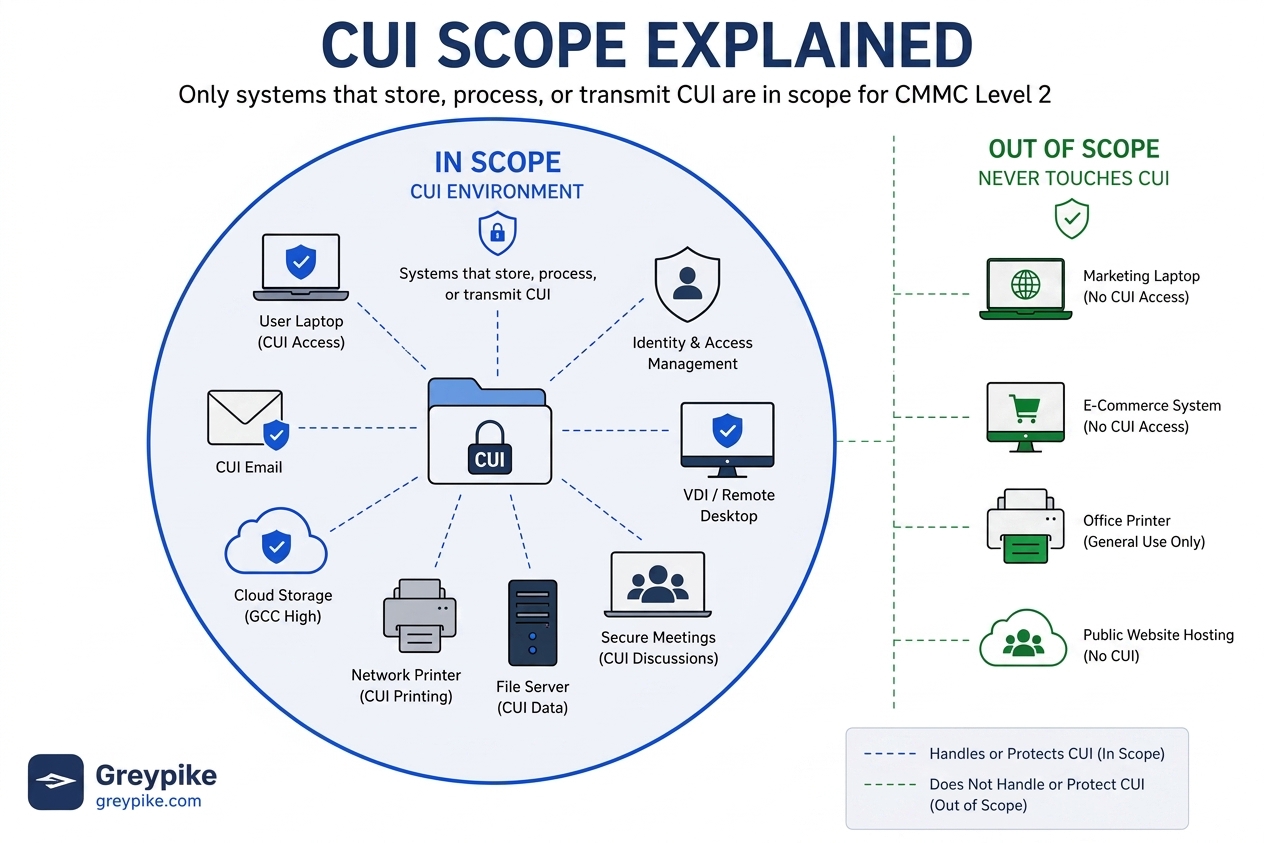
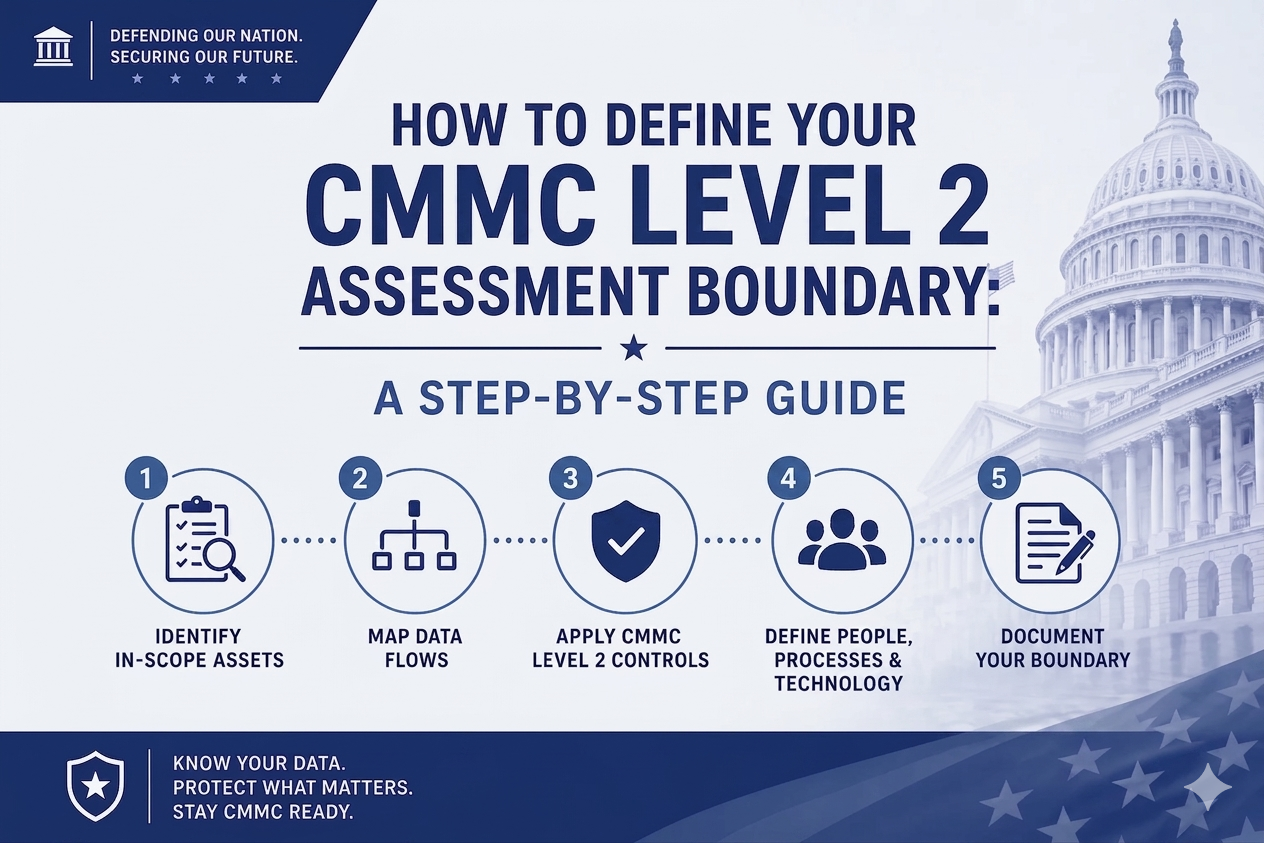
So, what does scoping mean in the context of CMMC? Simply put, it’s the process of defining the boundaries of your assessment. You identify which systems, assets, and processes will be evaluated based on where Federal Contract Information (FCI) and Controlled Unclassified Information (CUI) are stored, processed, or transmitted. This step is critical because it sets the stage for everything that follows.
Why Scoping Is So Important
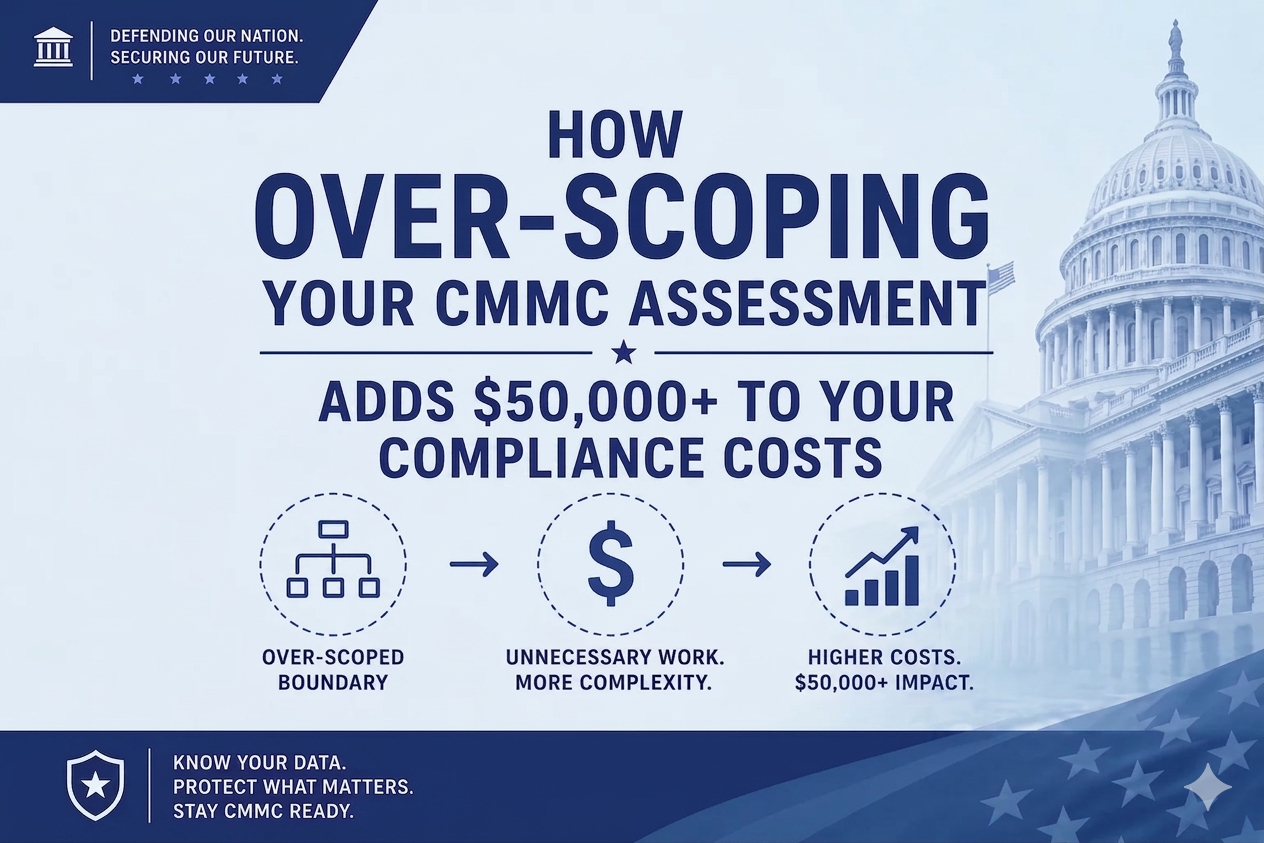
Think of scoping as drawing a map before a long journey. If your map is wrong, you’ll waste time, spend more money, and possibly end up in the wrong place. The same applies to CMMC. A poorly scoped environment can lead to over-scoping, where you include systems that don’t need to be assessed, driving up costs and complexity. Or worse, under-scoping, where you leave out critical assets, creating compliance gaps and security risks.
When scoping is done correctly, the benefits are clear. Your compliance footprint is smaller, which means fewer systems to secure and assess. Assessors can easily understand your environment, making the audit process smoother. Most importantly, you reduce the risk of surprises that could derail your certification efforts.
Scoping for Level 1 and Level 2
Scoping applies to both Level 1 and Level 2 compliance. For Level 1, the focus is on protecting Federal Contract Information (FCI). Any system that processes, stores, or transmits FCI falls within scope. Level 2 is more rigorous because it involves Controlled Unclassified Information (CUI). Here, you must identify systems that handle CUI and those that provide security protections for those systems. Level 2 compliance aligns with NIST SP 800-171, requiring 110 security practices compared to Level 1’s 17.
Understanding Asset Types
The CMMC Cyber AB Assessment Guide defines five asset categories that help organizations determine scope:
- CUI Assets: Systems that store or handle sensitive government data like technical drawings or contract details.
- Security Protection Assets: Tools that protect CUI systems, such as firewalls, antivirus programs, and monitoring tools.
- Contractor Risk Managed Assets (CRMAs): Devices or systems that don’t handle CUI directly but connect to systems that do, requiring risk management.
- Specialized Assets: Equipment like IoT devices, manufacturing machines, or test systems that indirectly interact with CUI.
- Out-of-Scope Assets: Systems that have no role in handling CUI and can be excluded from the assessment.
Common Pitfalls and How to Avoid Them
One of the biggest mistakes organizations make is failing to document their scoping decisions. Even if your environment is secure, assessors need evidence. Documentation such as System Security Plans (SSPs), data flow diagrams, and Policies and Procedures is essential. Another common issue is ignoring external service providers. If you use cloud services or managed IT providers, their systems may fall within your scope—or at least require clear responsibility agreements.
Best Practices for Effective CMMC Scoping
Start by mapping how FCI and CUI flow through your organization. This exercise reveals which systems truly need to be included. Next, consider network segmentation. Creating isolated enclaves for in-scope systems can dramatically reduce your compliance footprint. And remember, scoping isn’t a one-time task. As your business evolves, revisit your scope regularly to ensure it reflects reality.
The Strategic Advantage of Accurate Scoping
Scoping isn’t just about passing an audit. It’s about building a security strategy that protects sensitive data without draining resources. A well-defined scope reduces costs, strengthens your security posture, and builds trust with government clients. In short, accurate scoping positions your organization for long-term success in the Defense Industrial Base.
Key Takeaways
Scoping is the foundation of CMMC compliance. It applies to both Level 1 (FCI) and Level 2 (CUI). The Cyber AB guide defines five asset categories that shape your scope. Documentation and network segmentation are critical for success.