Why Government Contractors Are Playing a Dangerous Game with AI Tools — and How to Stop
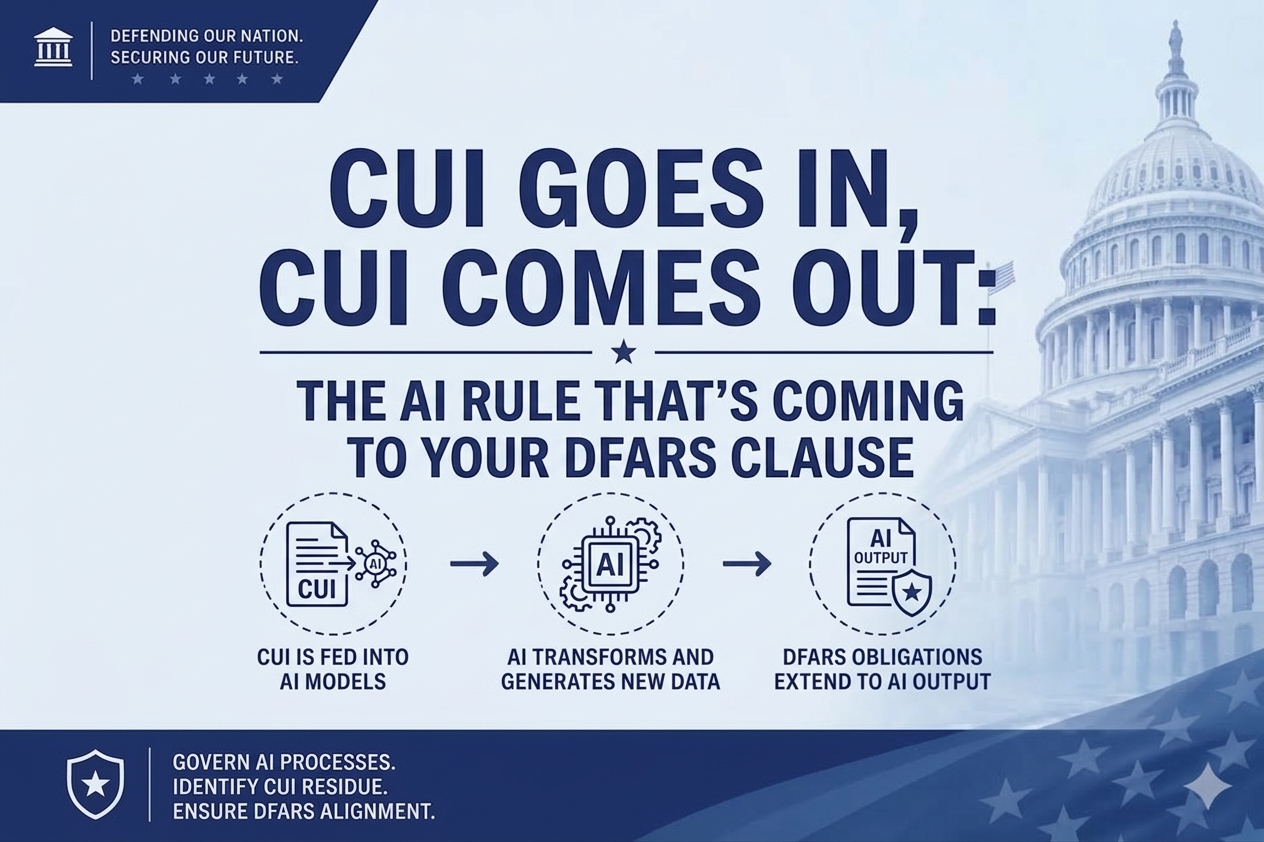
Your team is using AI. You probably already know it, even if nobody has officially said so. Someone is pasting contract language into ChatGPT to get a quick summary. Someone else is letting Microsoft Copilot draft a proposal that pulls context from files saved on their desktop. And somewhere in that workflow, Controlled Unclassified Information just left the building — quietly, invisibly, and without a single security alert firing.
This isn’t a hypothetical. It’s happening right now across the Defense Industrial Base, and the contractors it’s happening to don’t realize they have a problem until they’re sitting across from an assessor who asks them to walk through their data handling procedures.
AI tools are genuinely useful. We’re not going to pretend otherwise. But for government contractors handling CUI, using consumer-grade AI without understanding the risks isn’t productivity — it’s a compliance breach waiting to happen.
The AI Adoption Problem Nobody Wants to Talk About
Here’s the uncomfortable reality: your employees aren’t trying to cause a data spill. They’re trying to do their jobs faster. AI tools like ChatGPT, Google Gemini, and Microsoft Copilot are genuinely excellent at summarizing documents, drafting emails, generating reports, and analyzing large blocks of text. They save hours. They reduce friction. They feel like a superpower.
That’s exactly why they’re dangerous in a CUI environment.
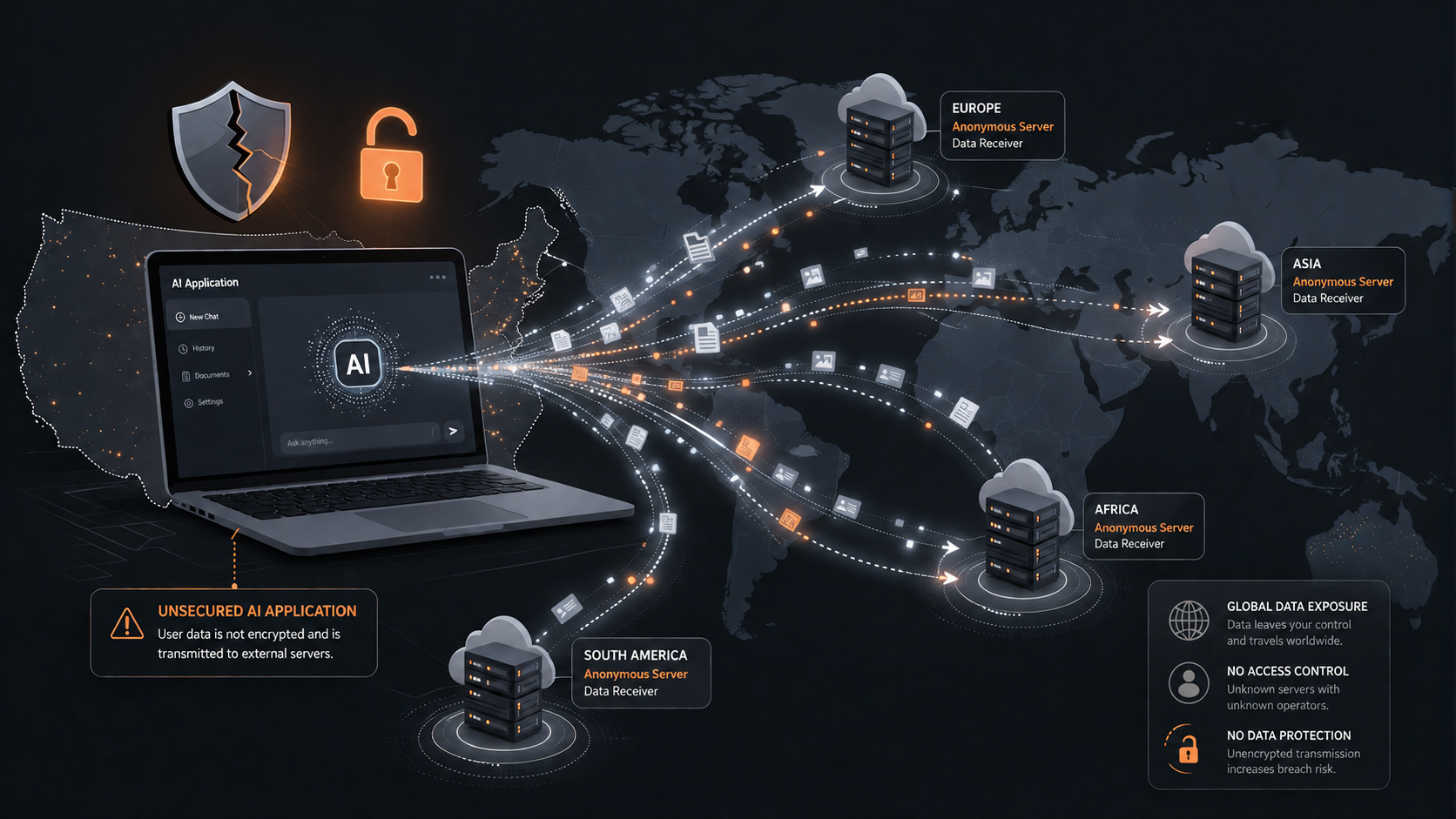
Consumer AI platforms are not built for classified or controlled information. They are built for scale. And scale, in the AI business, means the data that goes in gets used — for model training, for improvement, for analysis. The terms of service for most consumer AI tools include language that grants the platform broad rights to use your inputs.
The Quiet Risk Nobody Flags
When a cleared employee pastes a technical spec, a contract performance document, or an export-controlled design summary into a commercial AI chatbot, that information may be retained, logged, and potentially used to train future versions of the model. There is no NDA. There is no clearance. There is no CUI handling agreement. There is just a text box and a blinking cursor — and your sensitive data is now somewhere you can’t control.
What “Data Spillage” Actually Means for a GovCon
Data spillage is the term used when classified or controlled information is introduced into an unauthorized system or environment. In the cleared world, it triggers incident response, notification requirements, and potentially, contract consequences.
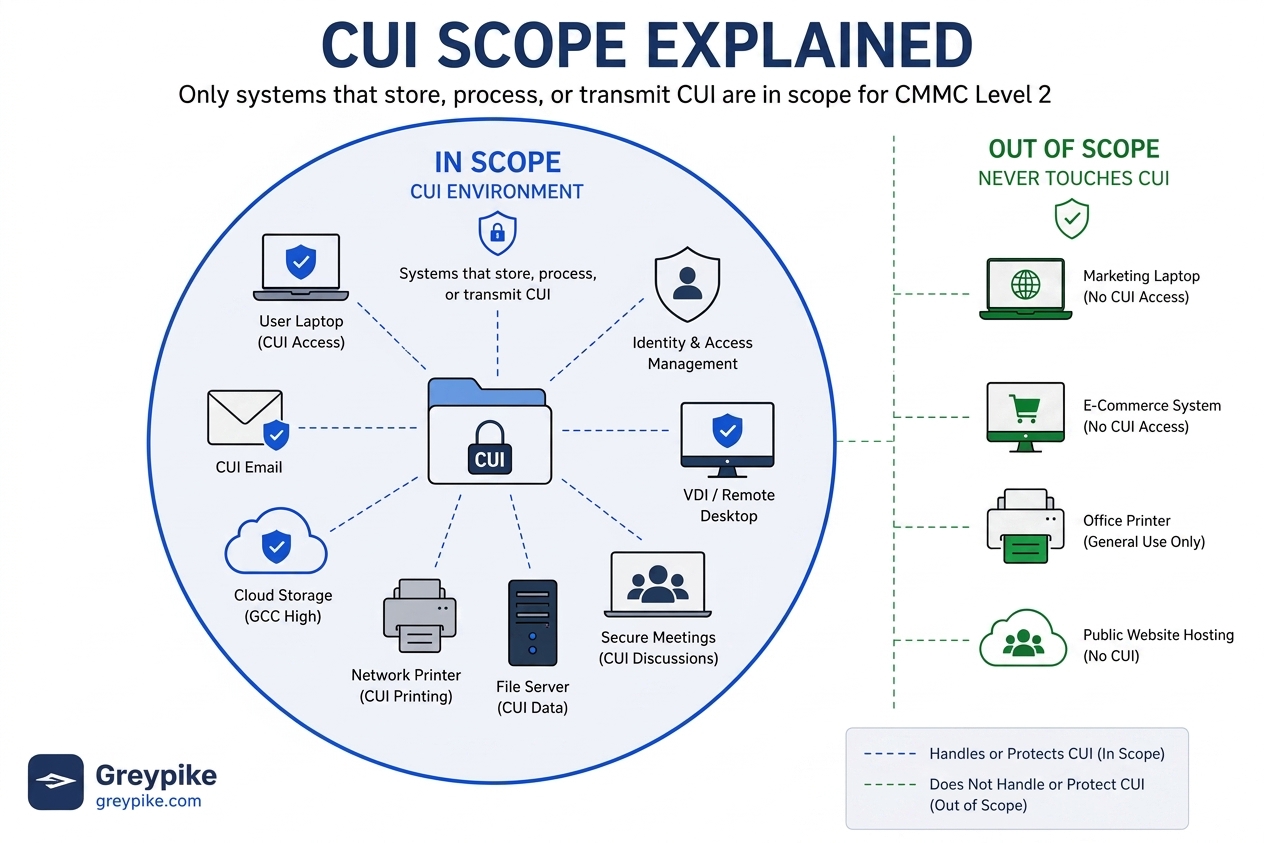
For CUI specifically — the category that covers most of what small-to-mid-sized defense contractors work with every day — the standards are set by NIST SP 800-171 and enforced under CMMC. The rules are clear: CUI must be protected in authorized systems. Consumer AI platforms are not authorized systems.
But here’s where it gets complicated: CUI spillage into a commercial AI tool doesn’t always look like a dramatic breach. It looks like this:
- An employee uses ChatGPT to clean up a Statement of Work that contains technical specifications
- Someone asks Copilot to summarize a performance report that includes ITAR-adjacent language
- A proposal writer feeds a prior government contract into an AI tool to help structure a new bid
- A program manager uses an AI assistant to draft meeting notes that reference contract line items and deliverable schedules
None of those people thought they were doing anything wrong. And none of those incidents will show up on your SIEM. But each one is a potential violation of your data handling obligations — and under CMMC Level 2, they could cost you your certification.
The Microsoft Copilot Problem Is Especially Tricky
A lot of defense contractors assume that because they’re running Microsoft 365 — and maybe even GCC High — they’re covered when it comes to Copilot. They’re not automatically right, and the distinction matters enormously.
Microsoft offers several tiers of AI products, and the compliance implications are different for each:
- Microsoft Copilot (consumer / M365 commercial): Not approved for CUI. Data may be used for model training depending on licensing and configuration.
- Microsoft 365 Copilot in commercial tenants: Better controls, but still not automatically FedRAMP High or IL4/IL5 compliant. Configuration matters.
- Microsoft 365 Copilot for Government (GCC High): Designed for controlled environments, with appropriate data handling and compliance commitments — but requires proper licensing, configuration, and verification.
The gap between “we have Copilot” and “our Copilot deployment is compliant” is enormous — and most small GovCon teams don’t know which side of that gap they’re on. If your organization migrated to GCC High but your AI tools weren’t part of that conversation, you may have a significant exposure you’re not aware of.
Real Question to Ask Your Team Right Now
“Which AI tools are your people using today, and have any of them been evaluated for CUI compliance?” If you don’t have a clear, confident answer to that question, you have a gap. Finding it now — before an assessor does — is the entire point.
Five AI Pitfalls Government Contractors Need to Avoid
These are the specific scenarios we see most often when working with small and mid-sized defense contractors who are trying to adopt AI responsibly:
- Unmanaged shadow AI adoption. Employees discover and start using consumer AI tools without any policy guidance, IT approval, or CUI awareness training. This is the most common scenario and the hardest to detect because there are no logs, no alerts, and no visibility.
- Assuming Microsoft licensing equals compliance. Having an M365 subscription — even in a commercial tenant with some security features enabled — does not mean your AI tools are cleared for CUI. Compliance requires intentional configuration, not just a license key.
- No acceptable use policy for AI. If your organization doesn’t have a written policy governing AI tool usage that specifically addresses CUI, you have a gap in your System Security Plan. Auditors will look for this, and “we didn’t think about it” is not a satisfactory answer.
- Using AI to process documents without reviewing output. AI-generated summaries and drafts can inadvertently expose, misattribute, or reframe sensitive information in ways that create additional compliance risk if the output is then shared without review.
- Forgetting that inputs aren’t just text. Some AI tools accept file uploads — PDFs, spreadsheets, images. Uploading a contract deliverable or technical drawing to a consumer AI for analysis is still CUI spillage, even if you never typed a word of CUI manually.
So, Can Government Contractors Use AI at All?
Yes — absolutely. The answer isn’t to ban AI and try to pretend it doesn’t exist. That approach failed with smartphones, it failed with cloud storage, and it will fail with AI. The answer is to use AI in environments that are built for the compliance requirements you operate under.
That means AI tools deployed within FedRAMP-authorized environments, with proper data boundaries, audit logging, and contractual commitments about data handling that are consistent with your CUI obligations.
FedRAMP (the Federal Risk and Authorization Management Program) is the government-wide compliance framework for cloud services used by federal agencies and their contractors. When an AI tool is deployed within a FedRAMP High authorized environment, it comes with documented security controls, independent assessments, and data handling commitments that commercial tools simply don’t offer.
The practical difference: in a compliant AI environment, your data stays in your environment. It doesn’t train external models. It doesn’t get logged by a vendor in ways that fall outside your data handling agreements. You have visibility, control, and an audit trail.
The Standard You Should Be Asking About
When evaluating any AI tool for use with CUI, ask these three questions: Is this deployed within a FedRAMP Moderate or High authorized boundary? Does the vendor have a data processing agreement that explicitly addresses CUI? Can I demonstrate to an assessor that this tool was evaluated and approved before use? If you can’t answer all three, the tool isn’t ready for your environment.
What a Compliant AI Policy Looks Like
You don’t need to solve this problem all at once. But you do need to start somewhere. Here’s what a foundational AI governance posture looks like for a small GovCon:
- Inventory what’s in use: Know which AI tools your team is using today, approved or not. You can’t manage what you can’t see.
- Publish an acceptable use policy: Define which tools are approved, what data classifications they can process, and what the consequences of misuse are.
- Update your System Security Plan: AI tools that interact with or process CUI need to be documented. Assessors will ask.
- Train your people: CUI awareness training needs to include explicit guidance on AI tools. Employees need to understand that the text box in ChatGPT is not a secure channel.
- Pursue compliant alternatives: Work with your IT and compliance team to identify AI tools that operate within FedRAMP-authorized boundaries and meet your data handling requirements.
- Establish a review process: Any new AI tool your team wants to use should go through an approval workflow before it touches anything work-related — let alone CUI.
Frequently Asked Questions
Is it really that likely an auditor will ask about AI tools?
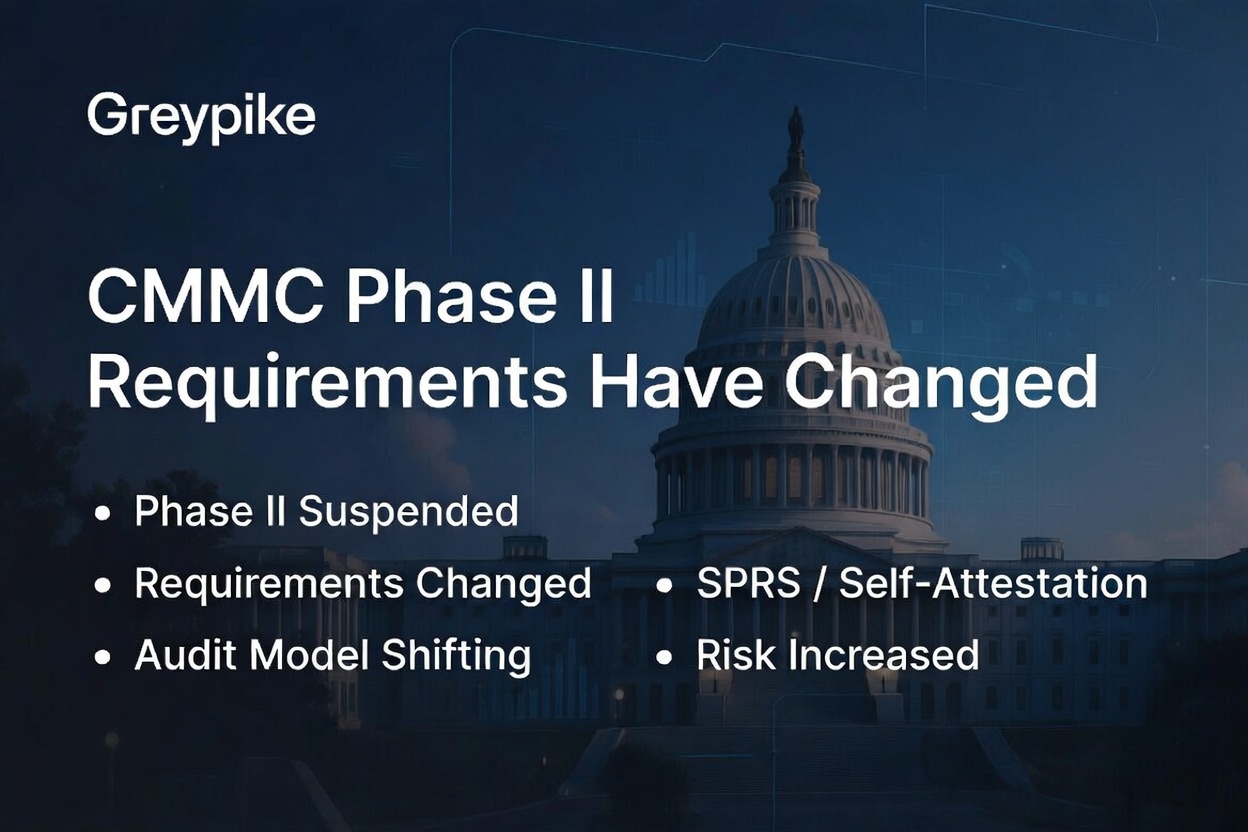
Yes, and increasingly so. As AI adoption accelerates, CMMC assessors are becoming more attuned to the data handling implications. If you’re going through a Level 2 assessment and you can’t demonstrate that you have a policy governing AI tool usage, that’s a gap.
What if employees are using personal devices for AI tools?
The issue isn’t the device — it’s the data. If an employee uses their personal phone to access a consumer AI platform and pastes in CUI, you have a spillage event regardless of whether that device is company-owned. This is why policy and training matter as much as technical controls.
Does this apply to Level 1 contractors too?
CMMC Level 1 covers 17 basic safeguarding practices under FAR 52.204-21. While the bar is lower than Level 2, unauthorized disclosure of Federal Contract Information (FCI) still has consequences. If your employees are processing FCI through consumer AI platforms, you have an exposure.
What about AI tools built into software I already pay for?
This is a critical point. Many software vendors are quietly embedding AI features into existing products — ERPs, project management tools, communication platforms. You may have AI processing your data right now without a deliberate decision to enable it. Review your software stack for AI features and evaluate each one against your CUI handling requirements.
Helpful Articles & Information
- Using AI in a CUI Enviroment
- Managed Compliant Enclaves
- Compliant AI Enabelment
- Custom AI Agents
- ITAR & AI
- NIST SP 800-171 Rev. 3 — Protecting Controlled Unclassified Information
- Controlled Unclassified Information (CUI) Program — National Archives
- CUI Registry — Category List
- DoD CMMC Official Program Page
- About CMMC — DoD CIO
- CMMC Resources & Documentation — DoD CIO
How Greypike Helps GovCons Use AI Without the Risk
We work with small and mid-sized defense contractors every day, and the AI conversation comes up constantly. Teams want to use these tools — they’re genuinely productivity-changing — but they don’t have a clear path to doing it compliantly.
Greypike offers secure, private AI solutions deployed within FedRAMP-authorized environments, purpose-built for contractors handling CUI. That means your team gets access to AI-powered capabilities — document analysis, content drafting, data summarization — within a boundary that meets your CMMC and NIST 800-171 obligations. Your data stays in your environment. No commercial model training. No compliance exposure.
We also help you build the policy and governance framework that makes compliant AI use possible: acceptable use policies, SSP documentation, employee training, and the technical controls to back it all up.
Greypike deploys Copilot and Gemini inside your own accredited GCC High or Assured Workloads tenant — so your team gets AI without CUI leaving your boundary. $100 per user per month, license included. See how it works →
Schedule a Consultation with Greypike →
Visit greypike.com or call (703) 214-9246 to talk through your AI and compliance posture.
Greypike Inc. — Veteran-Owned. Mission-Focused. Compliance-Ready.Comp