When we talk about CMMC compliance, the conversation often gravitates toward technical controls—firewalls, encryption, endpoint detection. But here’s something that doesn’t get enough attention: your users are both your greatest asset and your biggest vulnerability when it comes to protecting Federal Contract Information (FCI) and Controlled Unclassified Information (CUI).
The Cybersecurity Maturity Model Certification framework recognizes this reality. Whether you’re pursuing CMMC Level 1 or Level 2, user security practices aren’t just nice-to-haves—they’re fundamental requirements that assessors will scrutinize closely.
Why User Security Matters for CMMC Compliance
Think about the last major data breach you read about. Odds are, it didn’t start with a sophisticated zero-day exploit. It started with a person. Someone clicked a phishing link. Someone used a weak password. Someone shared credentials they shouldn’t have.
For defense contractors handling sensitive government information, these human vulnerabilities carry enormous consequences. A single compromised user account can expose FCI or CUI, putting contracts at risk and potentially threatening national security.
CMMC addresses this directly. The framework includes specific requirements around access control, awareness training, and identification and authentication—all of which center on how your people interact with sensitive systems and data.
The User Security Requirements in CMMC
At CMMC Level 1, user security requirements focus on foundational practices. You need to limit system access to authorized users, limit access to the types of transactions and functions that authorized users are permitted to execute, and verify the identity of users before granting access.
Level 2 raises the bar significantly. Organizations must implement more rigorous access controls, provide security awareness training, enforce stronger authentication mechanisms, and maintain detailed audit logs of user activity. The 110 security practices derived from NIST SP 800-171 include numerous requirements that directly touch user behavior and management.
Understanding these requirements is one thing. Building a culture where users actually follow them is another challenge entirely.
Building a Security-Aware Culture
Compliance documentation might satisfy an assessor, but it won’t stop an employee from clicking a malicious attachment at 4:30 on a Friday afternoon. Real CMMC compliance requires embedding security awareness into your organizational DNA.
This starts with training, but not the checkbox variety. Effective security awareness training connects abstract threats to concrete, job-relevant scenarios. Your contracts administrator needs to understand why they shouldn’t open unsolicited email attachments. Your project managers need to recognize social engineering attempts targeting contract details.
The training should also be continuous. Annual security briefings aren’t enough when threat actors are constantly evolving their tactics. Consider implementing regular phishing simulations, brief monthly security updates, and immediate alerts when new threats emerge that could target your industry.
Perhaps most importantly, security awareness needs to flow from the top. When leadership visibly prioritizes security—using strong authentication, following data handling procedures, taking training seriously—it signals to everyone else that these practices matter.
Access Control: The Principle of Least Privilege
One of the most effective user security strategies for CMMC compliance is also one of the oldest principles in information security: least privilege. Users should have access only to the information and systems they need to perform their job functions—nothing more.
This sounds straightforward, but implementation often reveals uncomfortable truths about how organizations actually operate. That shared drive everyone can access? It probably contains FCI that only certain teams should see. Those admin credentials passed around for convenience? They’re a compliance nightmare waiting to happen.
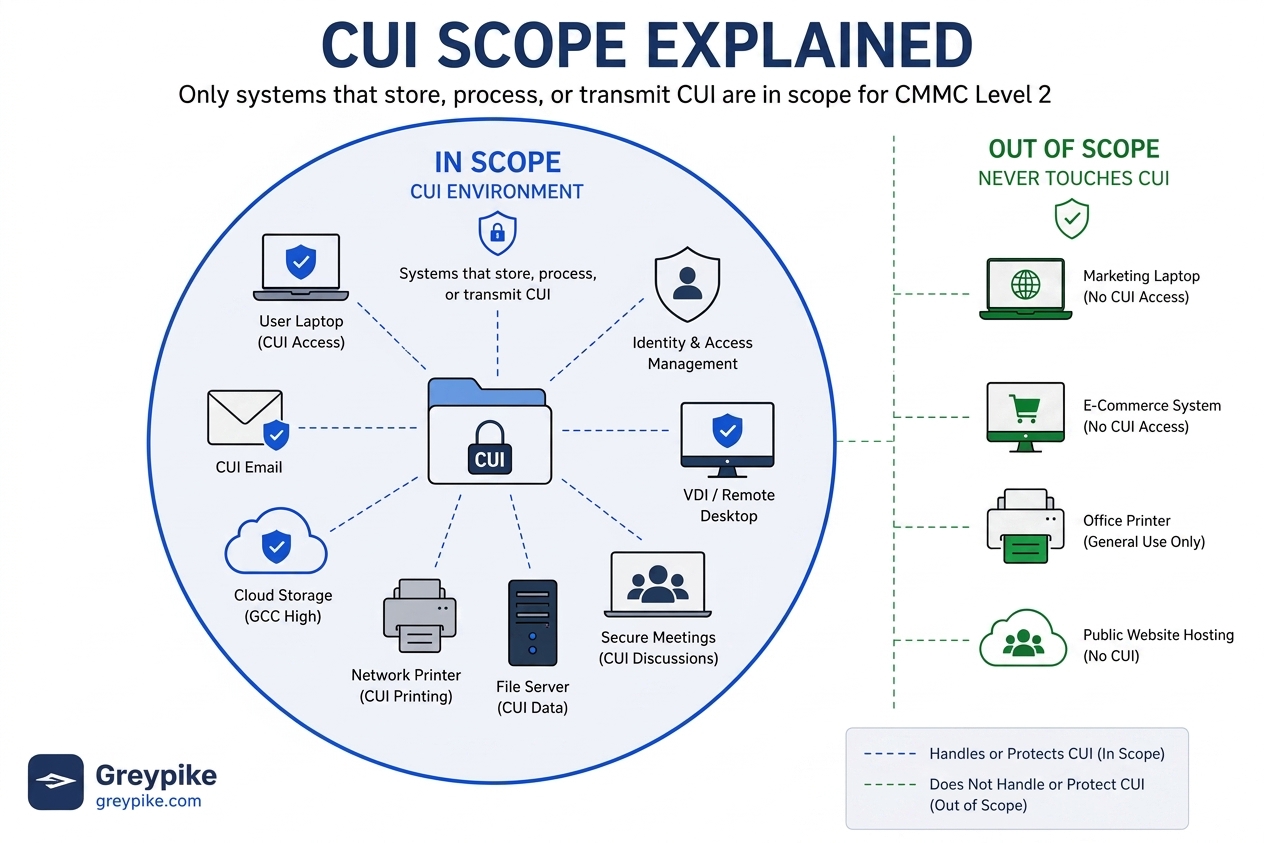
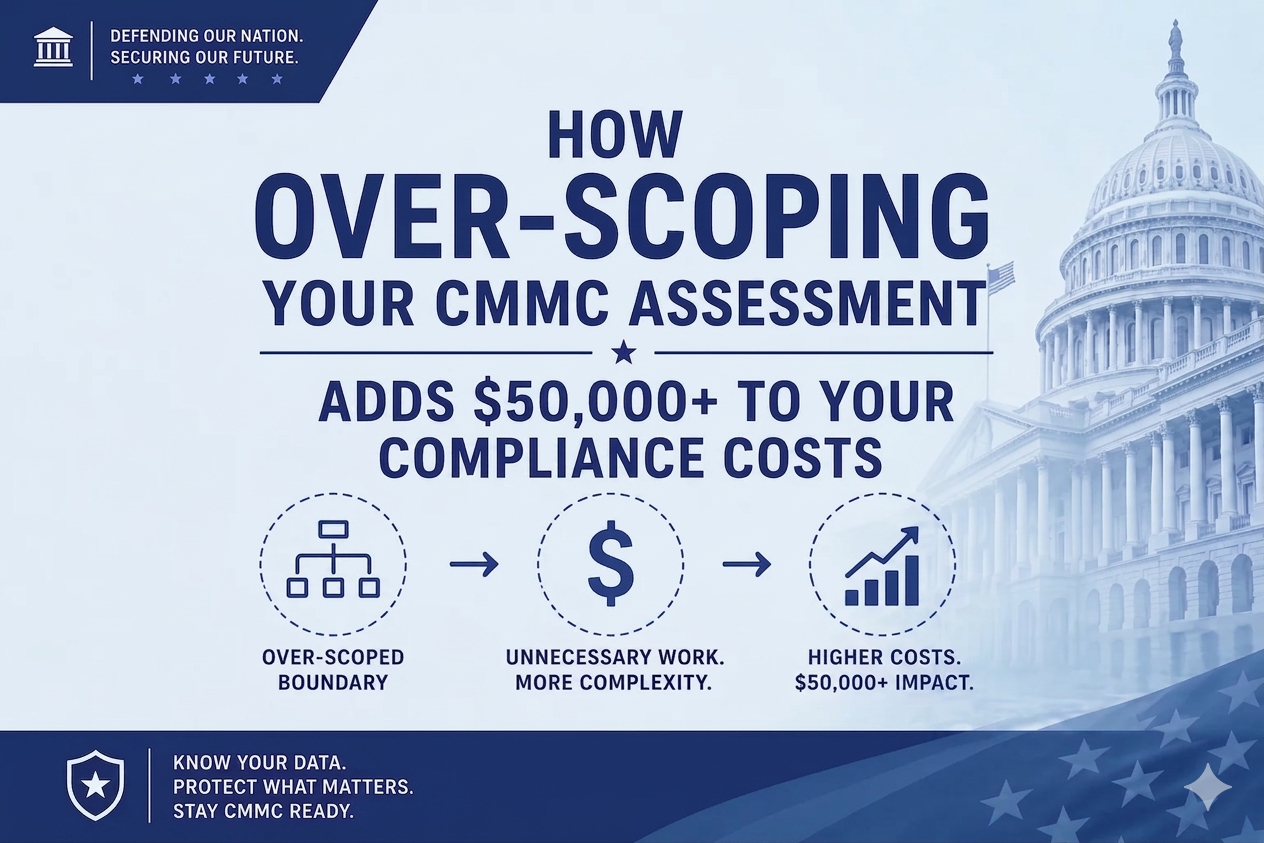
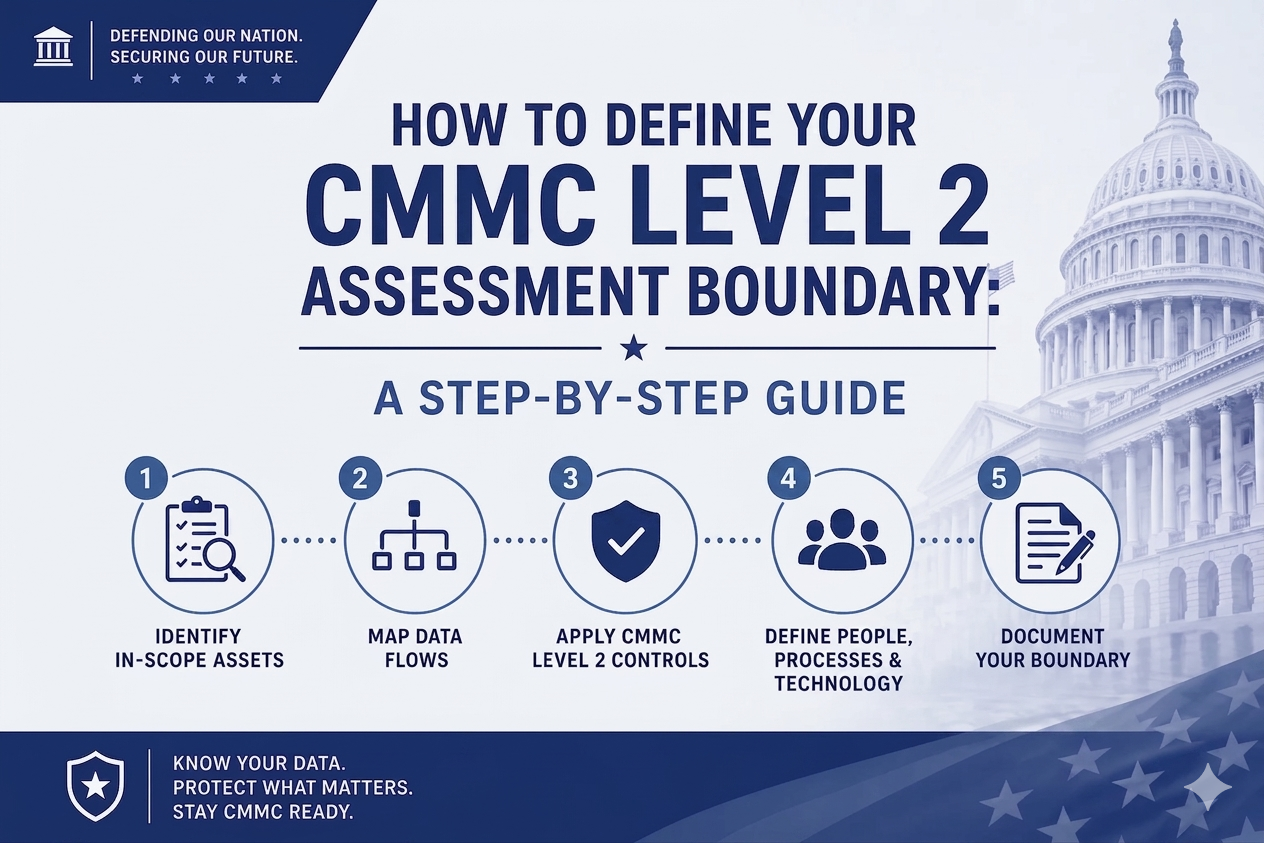
Conducting a thorough access review is essential before any CMMC assessment. Document who has access to what, justify each access decision, and eliminate unnecessary privileges. This exercise often reveals significant scope reduction opportunities—if you can demonstrate that certain systems never touch FCI or CUI, they may fall outside your CMMC assessment boundary.
Authentication: Beyond Simple Passwords
CMMC requirements around identification and authentication have teeth, especially at Level 2. Password-only authentication for systems handling CUI is increasingly difficult to justify when multi-factor authentication (MFA) is widely available and affordable.
Implementing MFA across your environment addresses multiple CMMC requirements simultaneously. It protects against credential theft, limits the impact of phishing attacks, and demonstrates to assessors that you’re serious about controlling access to sensitive information.
But authentication goes beyond just the login screen. Consider how users authenticate to different systems throughout their workday. Are there gaps where single-factor authentication could expose CUI? Are there legacy systems that can’t support modern authentication methods? These questions need answers before an assessment.
Managing the User Lifecycle
Users don’t exist in a static state. They join your organization, change roles, take on new projects, and eventually leave. Each transition creates potential security gaps if not managed properly.
For CMMC compliance, you need documented processes for provisioning access when users join, adjusting access when roles change, and promptly revoking access when employment ends. This last point deserves special emphasis—former employees with lingering access represent a significant and easily preventable risk.
Automation helps enormously here. Identity and access management solutions can tie access provisioning to HR systems, automatically adjusting permissions as employee status changes. This reduces both administrative burden and the risk of human error in access management.
Remote Work Considerations
The shift toward remote and hybrid work has complicated user security for many defense contractors. When users access FCI and CUI from home networks, coffee shops, or airport lounges, the traditional perimeter-based security model breaks down.
CMMC doesn’t prohibit remote access, but it does require that remote sessions be controlled and monitored. This typically means implementing VPN solutions with strong encryption, ensuring endpoint security on devices accessing sensitive data, and maintaining the ability to audit remote user activity.
Organizations should also consider whether all users need remote access to all systems. Applying least privilege principles to remote access—restricting which users can connect remotely and what they can access when they do—can significantly reduce your risk exposure.
Documentation and Evidence
Assessors will want to see evidence that your user security practices actually function as documented. This means maintaining records of training completion, access reviews, authentication configurations, and user lifecycle events.
Automate evidence collection wherever possible. Manual documentation is prone to gaps and inconsistencies that can derail an assessment. Modern identity management and security awareness platforms typically include reporting capabilities designed specifically for compliance purposes.
The Ongoing Commitment
Here’s the reality that every defense contractor needs to internalize: CMMC compliance isn’t a destination; it’s a continuous journey. User security practices require constant attention, regular updates, and genuine organizational commitment.
Threats evolve. Your workforce changes. New systems get deployed. Each of these events can create gaps in your user security posture if you’re not actively managing them.
The organizations that succeed with CMMC treat compliance not as a burden but as a business advantage. Strong user security practices reduce breach risk, build trust with government customers, and position you favorably against competitors who treat security as an afterthought.
Key Takeaways
User security is central to CMMC compliance at every level. The human element—access controls, authentication, training, and lifecycle management—demands as much attention as technical controls. Building a security-aware culture takes sustained effort but pays dividends in both compliance readiness and actual risk reduction. Documentation and evidence collection should be automated wherever possible to ensure assessment readiness.
Your users can be your strongest defense or your weakest link. CMMC compliance depends on making sure it’s the former.
Learn More Here
External Resources:
- NIST SP 800-171 — NIST’s official publication on protecting CUI https://csrc.nist.gov/publications/detail/sp/800-171/rev-2/final
- CMMC Official Website — DoD’s CMMC program information https://dodcio.defense.gov/CMMC/
- CISA Cybersecurity Resources — Security awareness and training guidance https://www.cisa.gov/cybersecurity
- NIST Cybersecurity Framework — Foundational framework CMMC builds upon https://www.nist.gov/cyberframework
Greypike Links and Articles:
- Platform / Solutions Page https://greypike.com/platform/
- What is CMMC? https://greypike.com/what-is-cmmc/
- Learn the CMMC Levels: An Essential Guide https://greypike.com/learn-the-cmmc-levels-an-essential-guide/
- Achieve Success with CMMC Level 1: A Guide for GovCons https://greypike.com/achieve-success-with-cmmc-level-1-a-guide-for-govcons/
- Unlock 10 X Wins with CMMC Compliance? A Guide for DoW Contractors https://greypike.com/unlock-10-x-wins-with-cmmc-compliance-a-guide-for-dow-contractors/
- Unlocking Your SPRS Score: Proven Method and Importance https://greypike.com/unlocking-your-sprs-score-proven-method-and-importance/
- CMMC Scoping: The #1 Key to Compliance Success https://greypike.com/cmmc-scoping-the-1-key-to-compliance-success/
Greypike helps defense contractors achieve and maintain CMMC compliance. Contact us to learn how we can support your certification journey.